
AI-Based Surface Defect Inspection for Watch Cases
The Challenge
Small Imperfections Still Matter
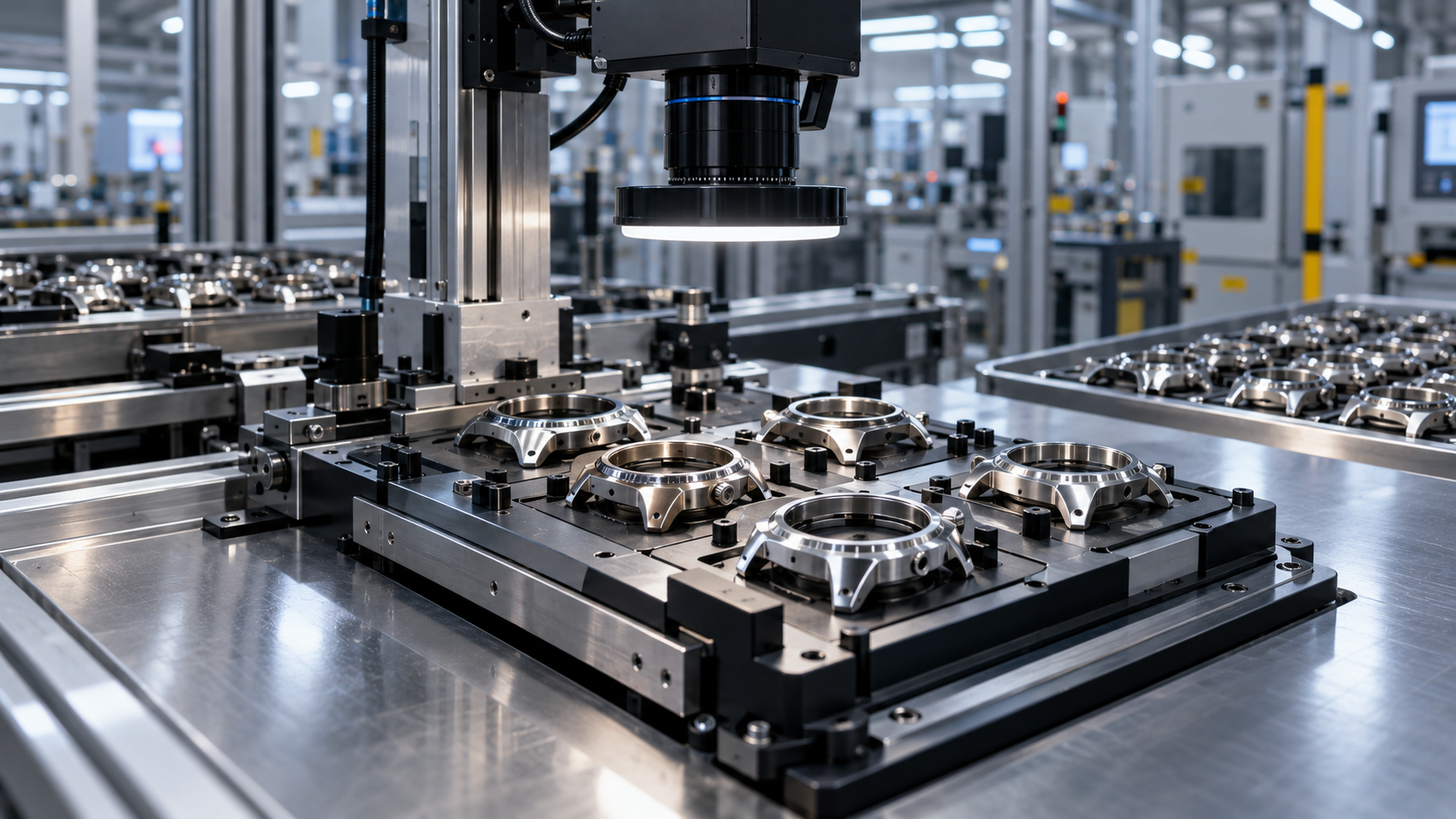
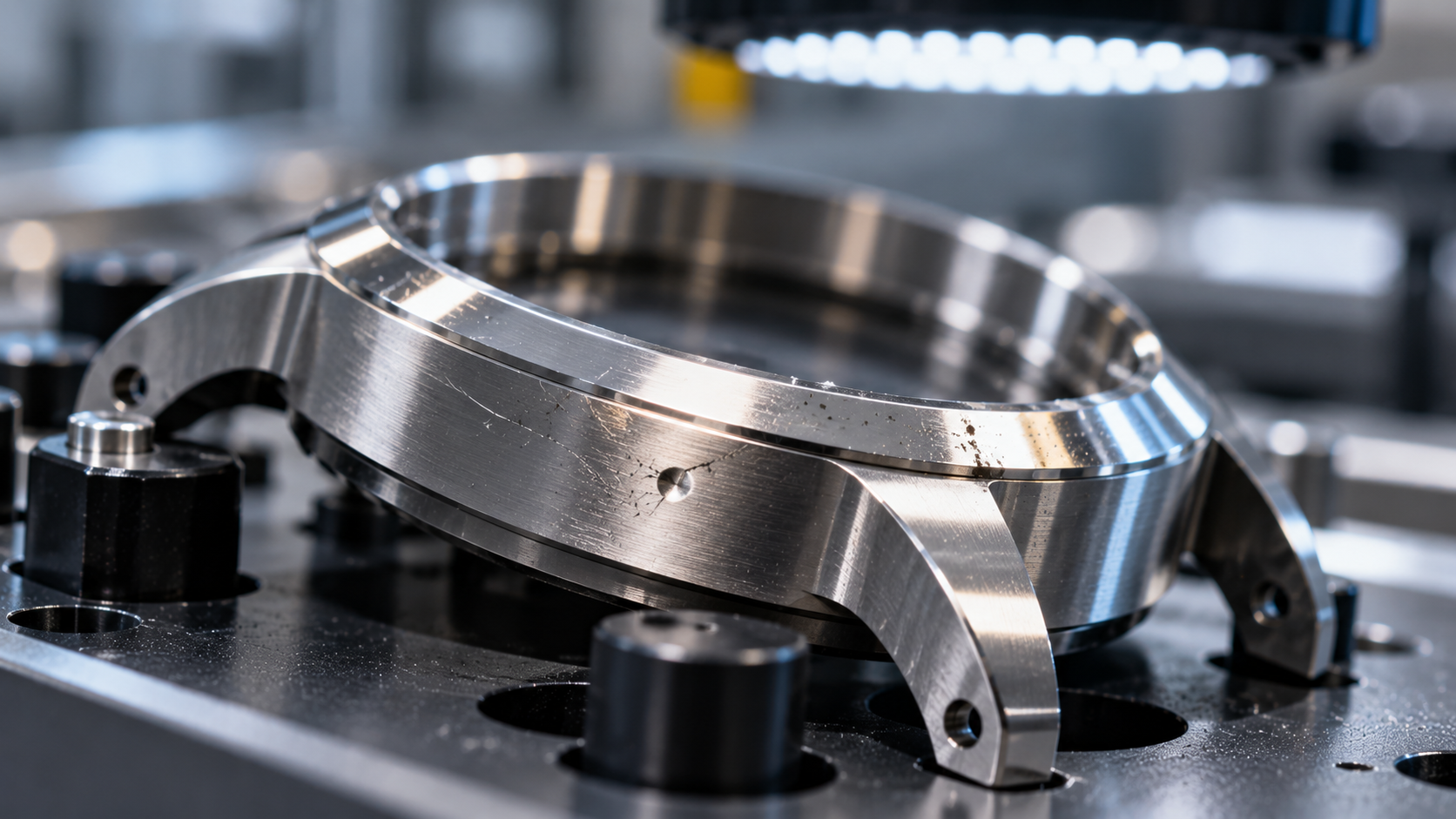
Watch cases have high cosmetic-quality expectations, making small surface imperfections important even when the component is functionally acceptable.
Inspection needs to identify subtle deviations consistently across different case models without relying solely on human visual judgement.
Inspection Scope
Inspecting the Surface, Model by Model
- Scratches and surface marks.
- Dents and physical surface damage.
- Dust particles / foreign objects.
- Stains and other visible surface anomalies.
- Inspection across multiple watch-case models.
RoshAi Solution
Learning Acceptable Appearance First
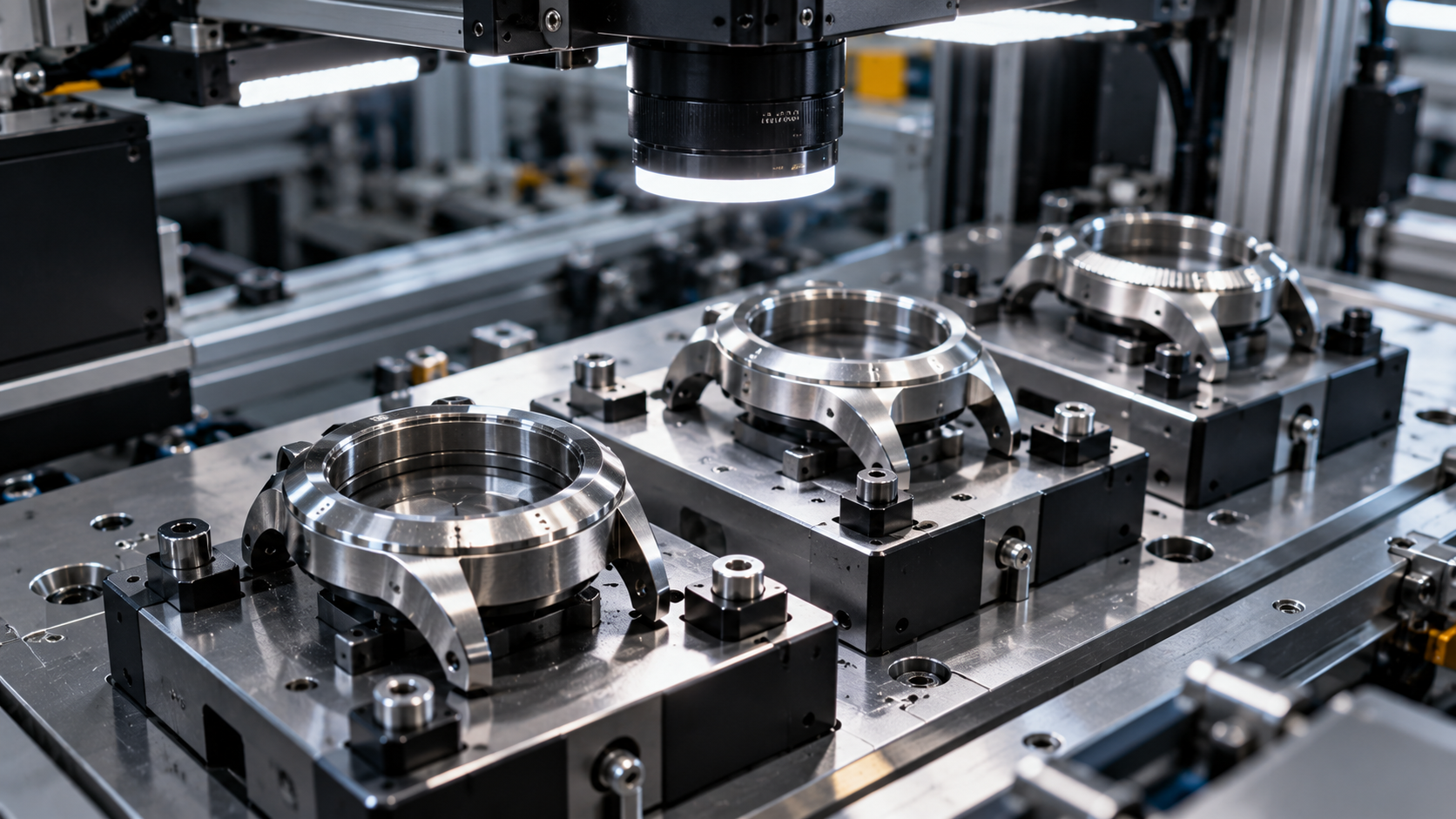
RoshAi configured the IQI inspection approach around good-reference samples. The AI model learns acceptable appearance and identifies deviations from the good condition, enabling a broad anomaly-detection approach rather than requiring every possible defect to be exhaustively predefined.
Validation / Status
Validated Across Three Watch-Case Models
- PROJECT STATUS: DEPLOYED
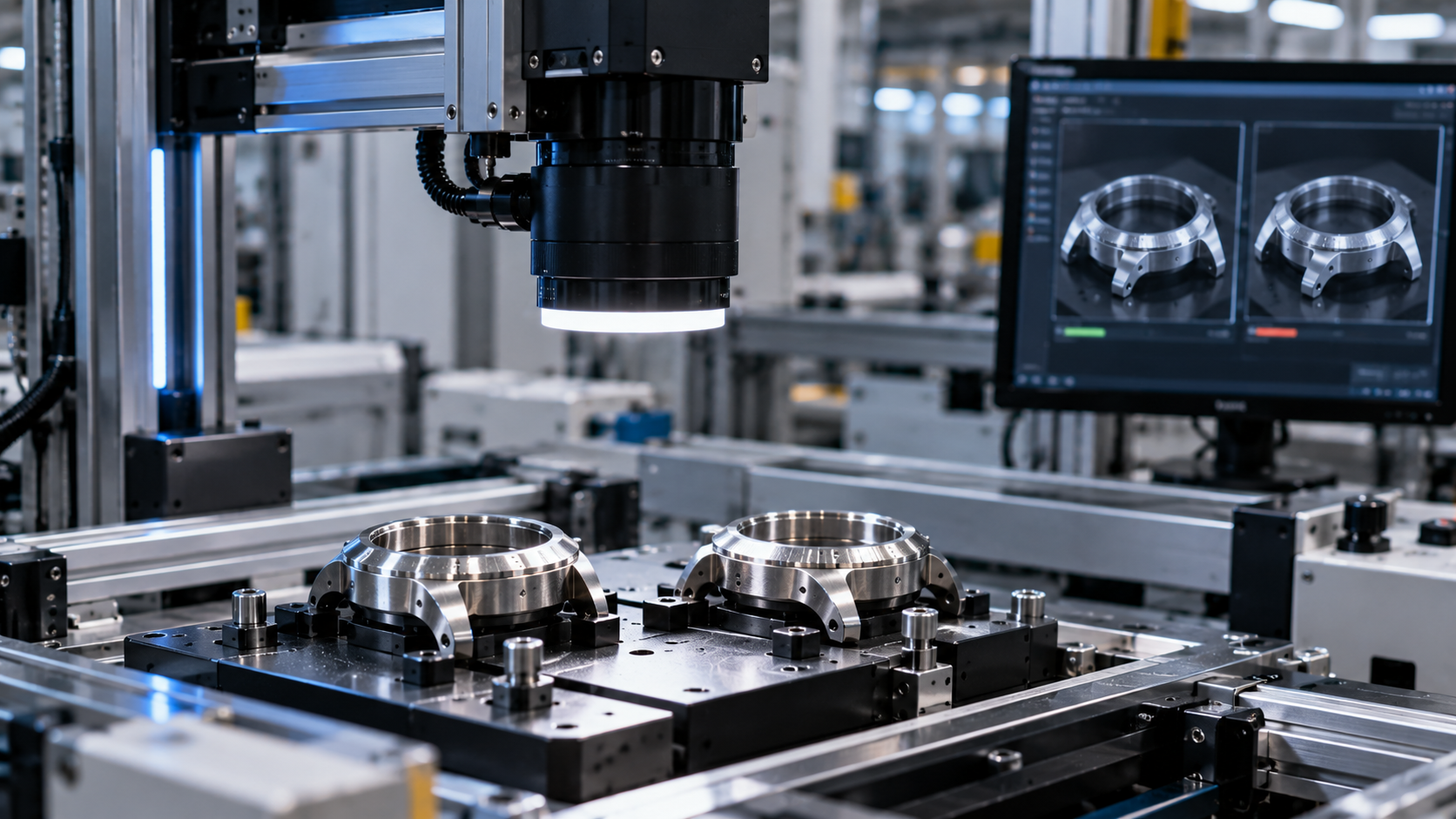
Validation was performed using three different watch-case models provided by the manufacturer's inspectors. The system detected scratches, dents, dust/foreign objects and stains, and almost all defects used during validation were detected accurately. Formal accuracy/detection percentages were not recorded, so no numerical performance claim is made.
Business Value
Broad Defect Detection From Good References
- Consistent inspection of high-value cosmetic surfaces.
- Ability to identify multiple defect types using a good-sample-based model.
- Reduced dependence on manually defining every possible defect class.
- Potential for repeatable inspection across multiple watch-case variants.
Scale Potential
From Surface Inspection to Production Flow
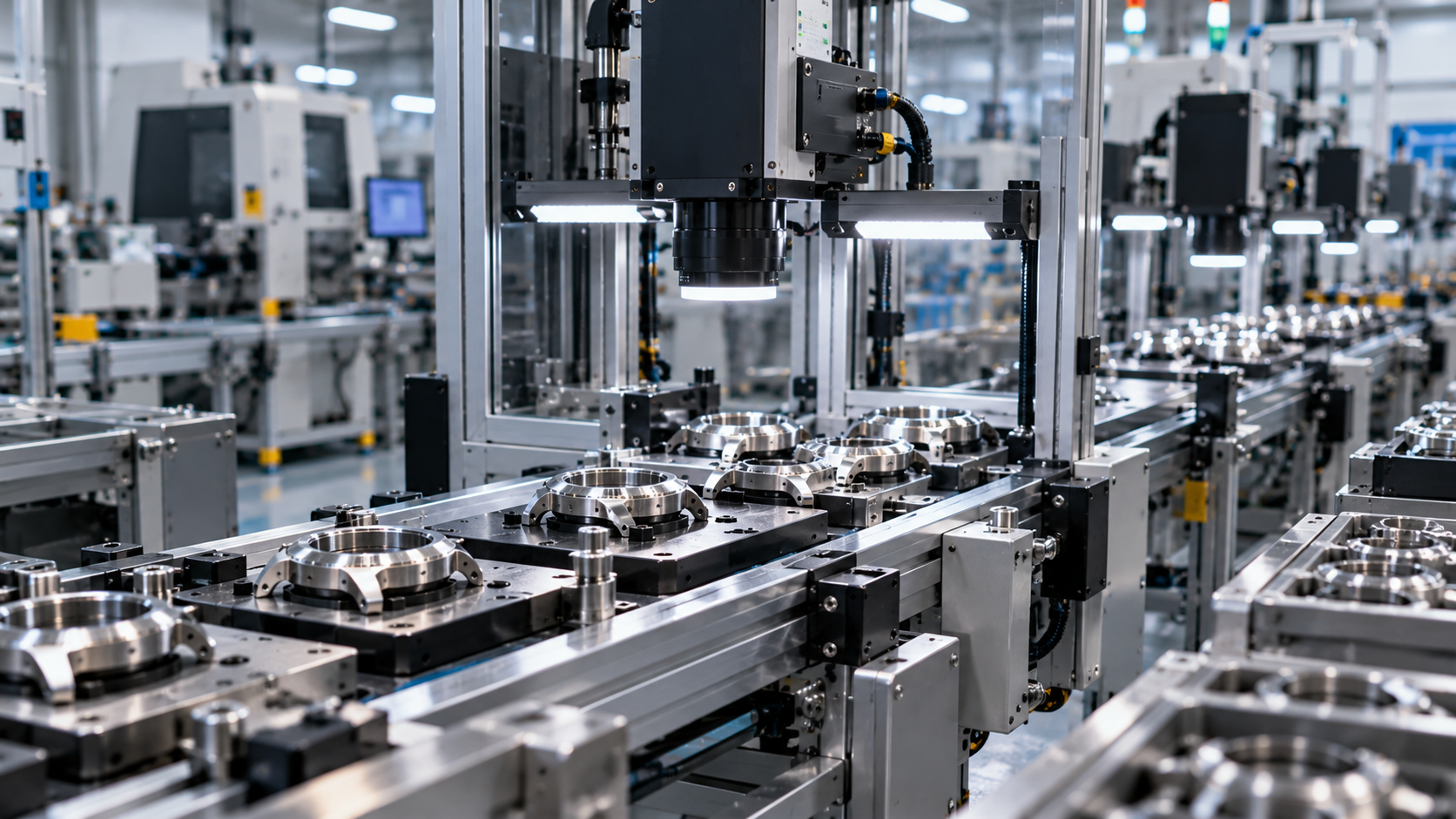
Following successful PoC validation, the inspection solution has been deployed. The architecture also provides a pathway to extend inspection to additional watch-case surfaces, including the bottom, and to integrate with conveyor-based production flow.