
AI-Assisted Incoming Quality Inspection for Precision Components
The Challenge
When Incoming Inspection Depends on Manual Measurement
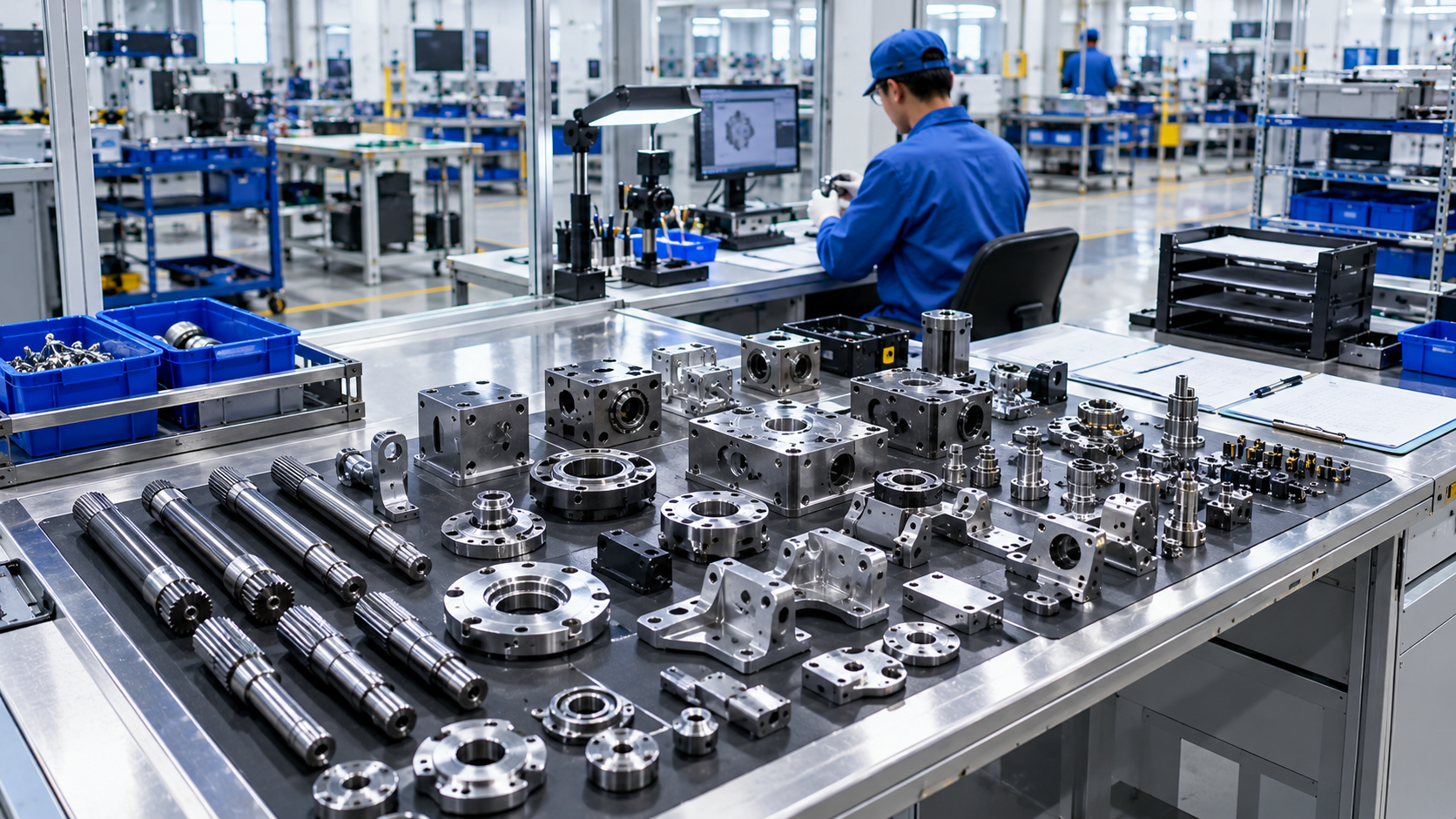
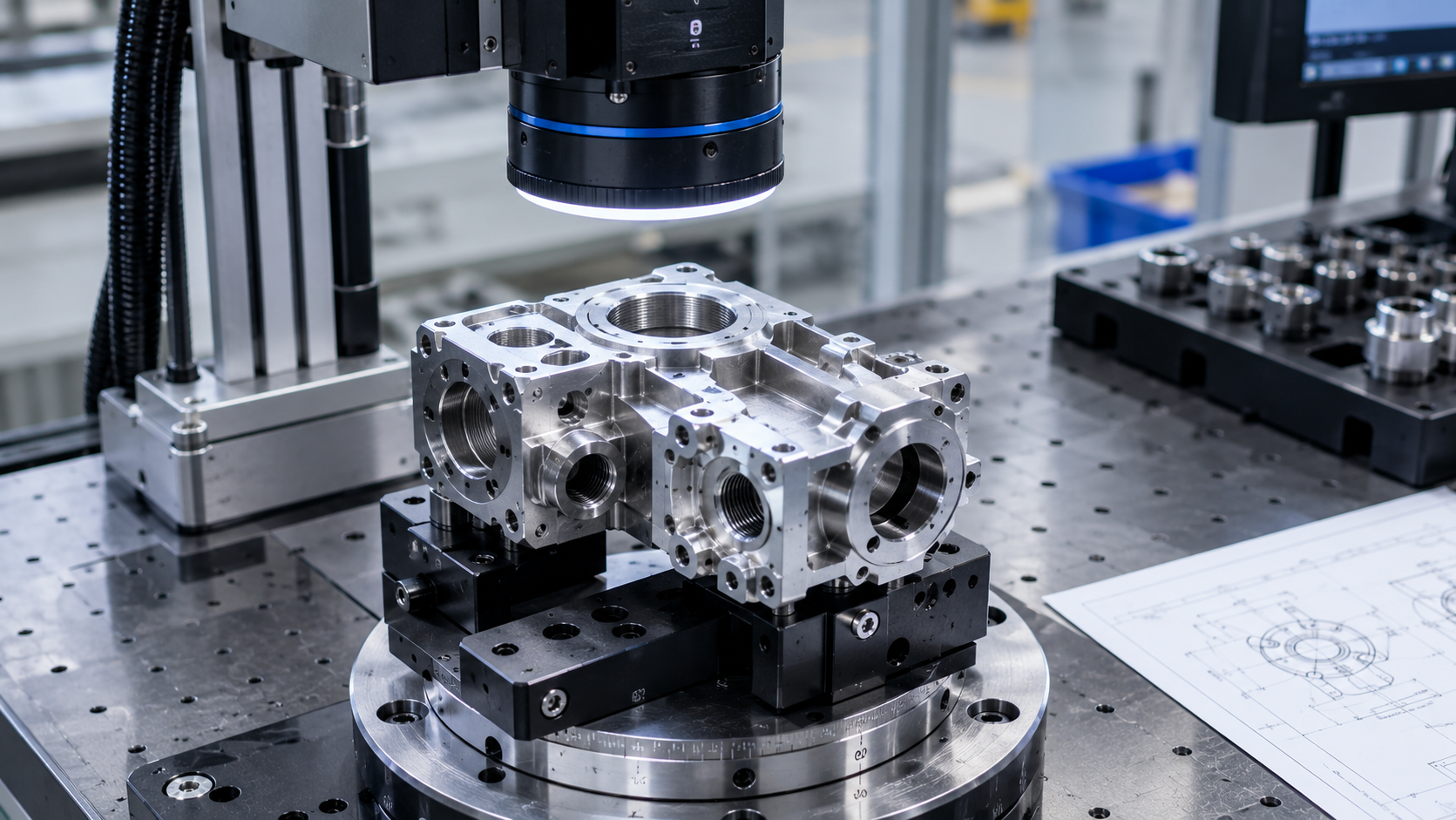
Incoming kits typically contain around 150 precision parts, each with multiple checkpoints such as hole positions, diameters, threads, keyways and critical dimensions.
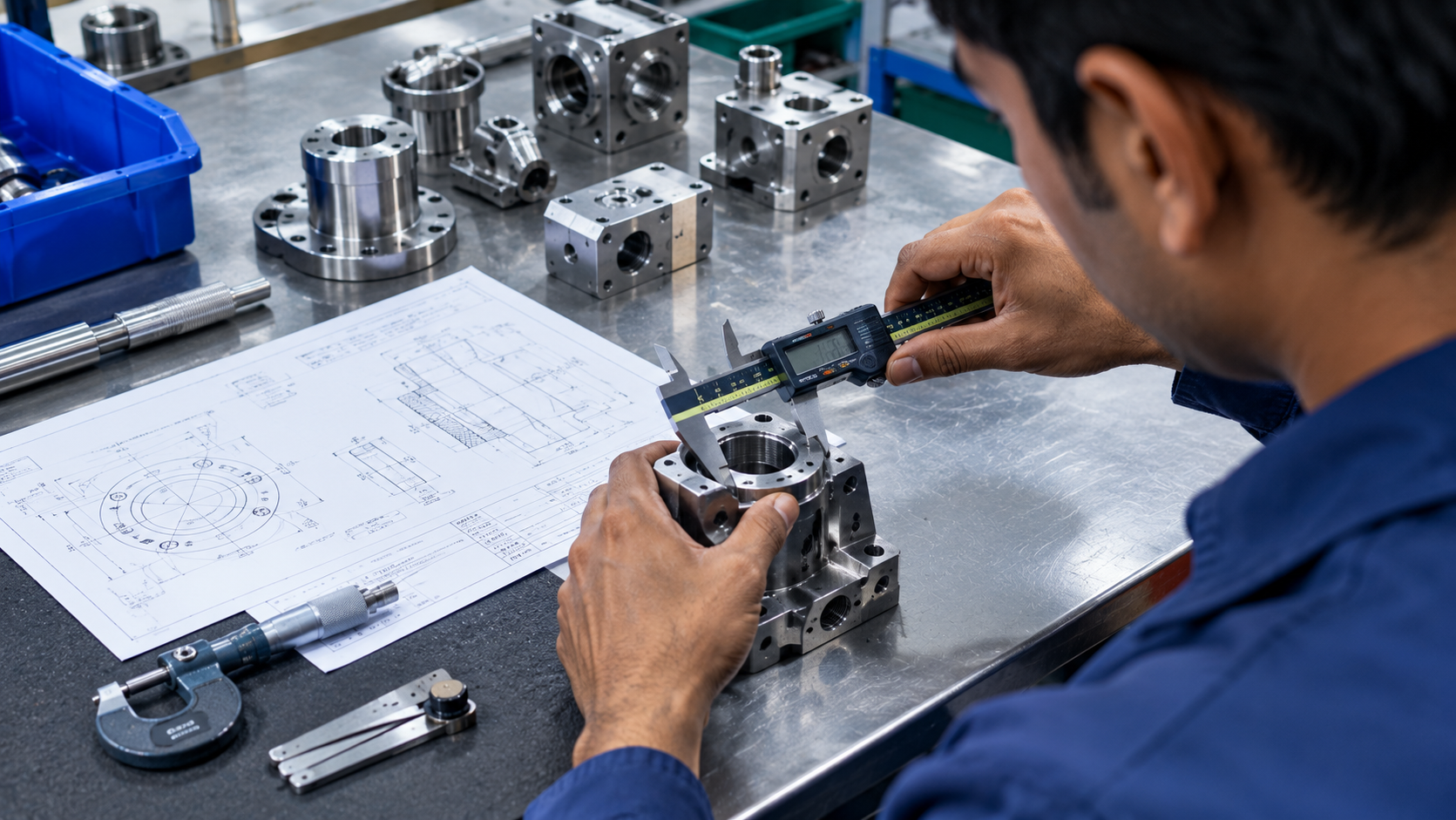
Inspection is performed manually using vernier calipers, screw gauges and other instruments while referring to individual 2D drawings, making the process time-intensive and dependent on operator skill.
Inspection Scope
Geometry, Dimensions, Threads, and Specifications
- Component and geometric-feature recognition.
- Hole presence, position and diameter verification.
- Thread, keyway and critical-dimension inspection.
- Multiple measurements along a component's length or profile.
- Comparison against drawing- or CAD-derived specifications.
RoshAi Solution
Standardizing Inspection Through Drawings and CAD
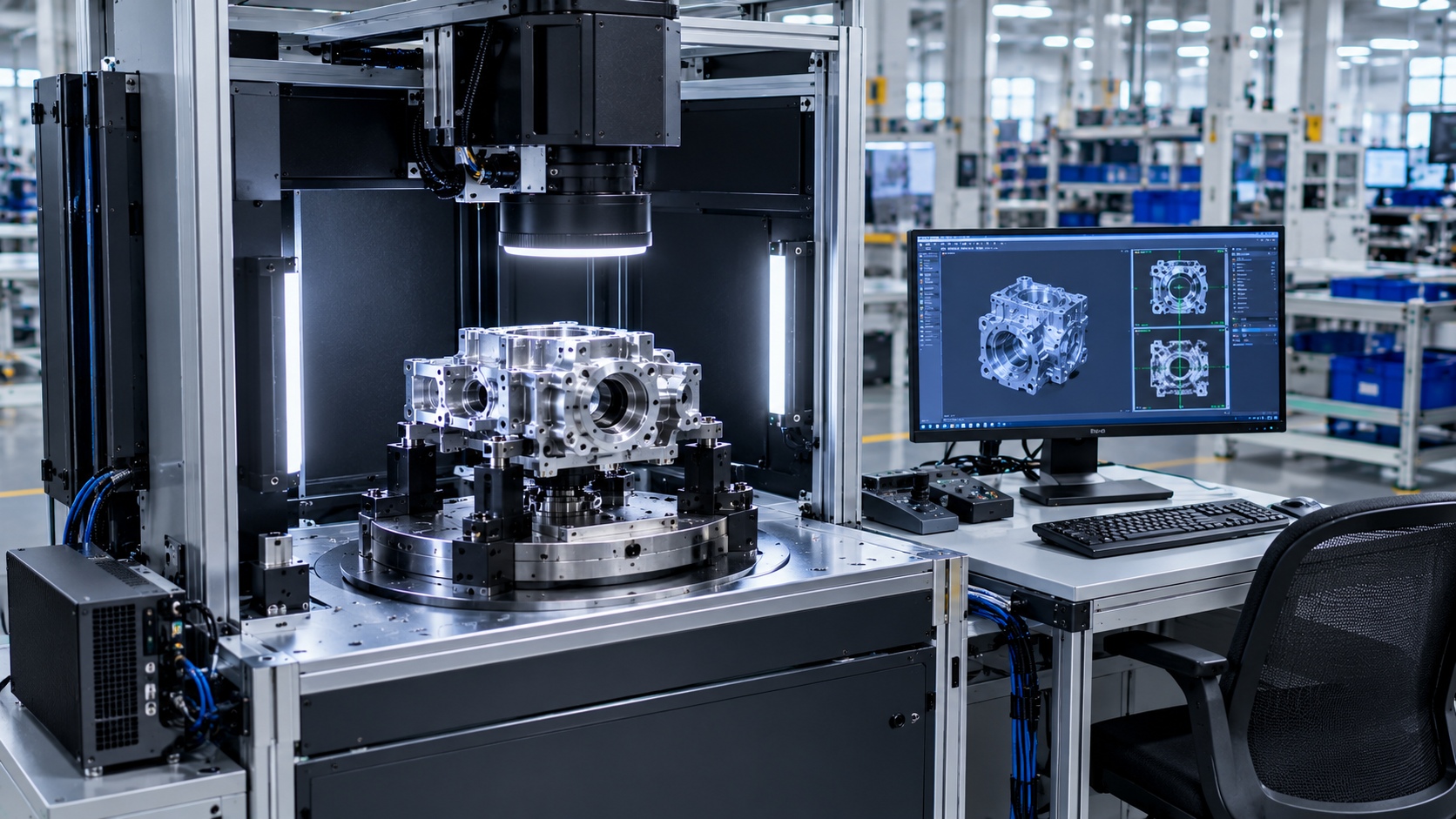
RoshAi developed an IQI-based approach powered by the CO-AI Industrial Physical AI Platform. Controlled imaging, calibrated optics, AI-assisted feature recognition and configurable templates support standardised inspection. Existing 2D drawings and available 3D CAD models can define checkpoints and accelerate onboarding across a large variety of parts.
Validation / Status
Feasibility Validated With Representative Components
- PROJECT STATUS: FEASIBILITY VALIDATED
The technical feasibility and inspection workflow have been validated using representative components and defined checkpoints. The recommended roadmap progresses from assisted feasibility validation to a chamber-based production system, with advanced metrology integration for higher-precision applications.
Business Value
Reducing Manual Effort While Improving Traceability
- Reduces inspection time and effort per incoming kit.
- Improves consistency and reduces operator dependency.
- Creates structured digital records for traceability.
- Supports supplier-quality analysis and recurring-defect visibility.
Scale Potential
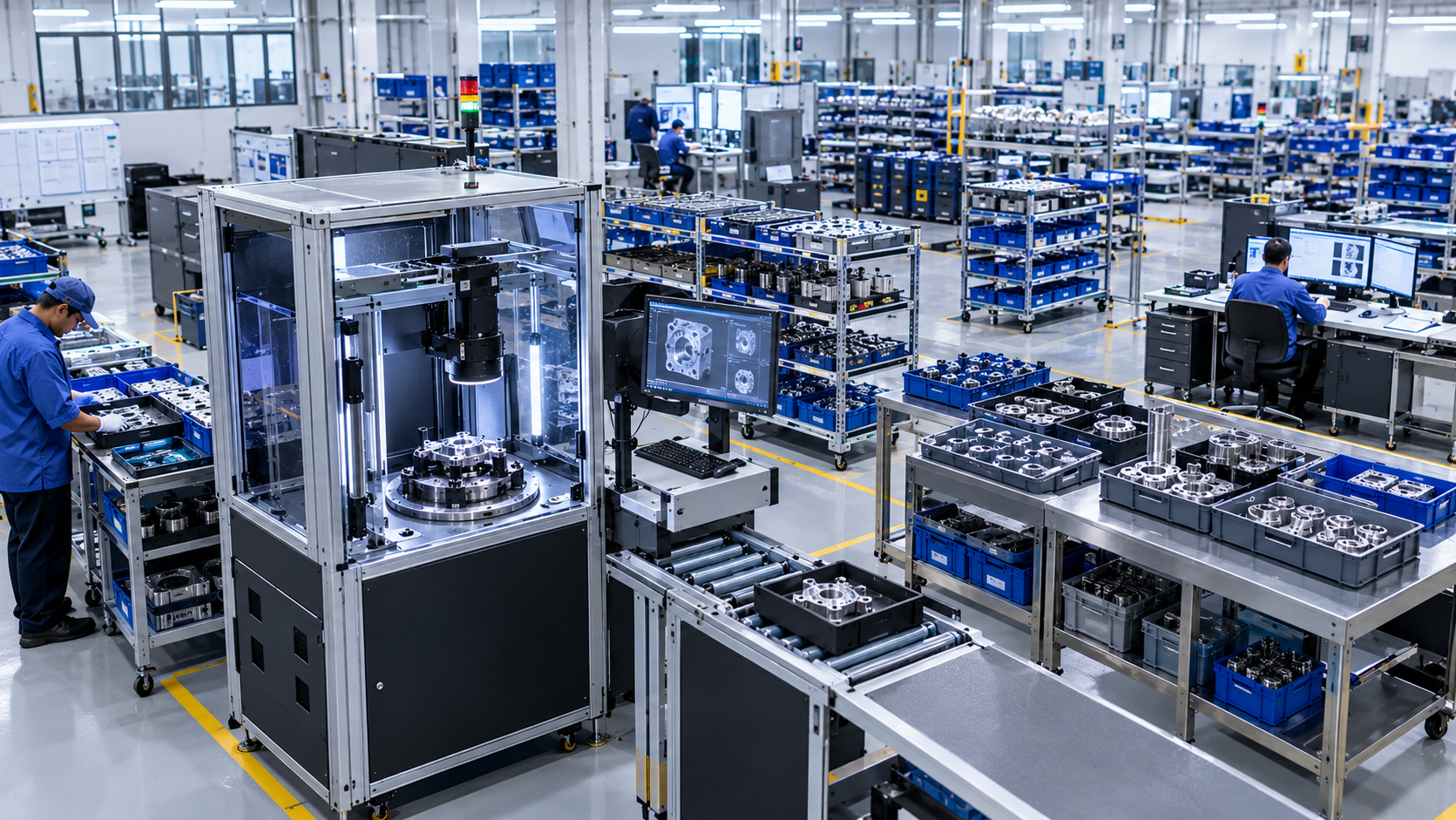
Standardizing IQC Across 10,000+ Variants
Drawing- and CAD-driven templates provide a scalable foundation for standardising IQC across more than 10,000 part variants, multiple part categories and suppliers while progressively expanding automation and metrology capability.