

Mitigating Ground Incidents in Airport Terminals with Automated Emergency Braking
The Challenge
When Human Vigilance Becomes the Safety Gap
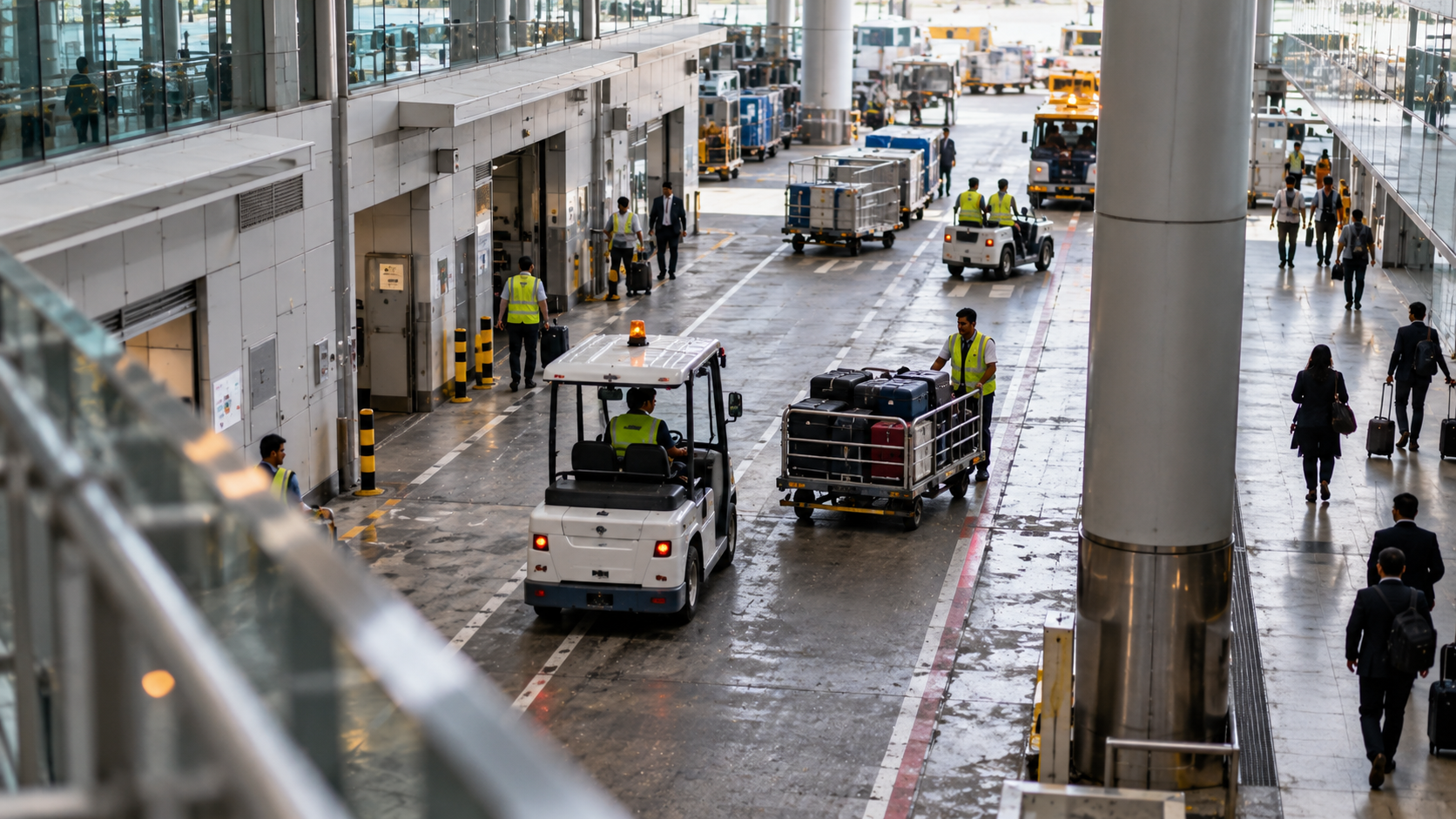
Navigating congested airport terminals creates significant safety hazards due to unpredictable pedestrian movements, narrow corridors, luggage carts, and blind spots.Despite operating at low speeds (under 20 km/h), electric buggies and PRM carts frequently contribute to ground safety incidents caused by operator distraction, fatigue, restricted visibility, or delayed human reaction times. Overreliance on human vigilance creates a critical operational gap that threatens passenger safety, increases liability exposure, causes vehicle downtime, and risks severe reputational damage
The Solution
An Independent Safety Layer for Existing Airport Fleets
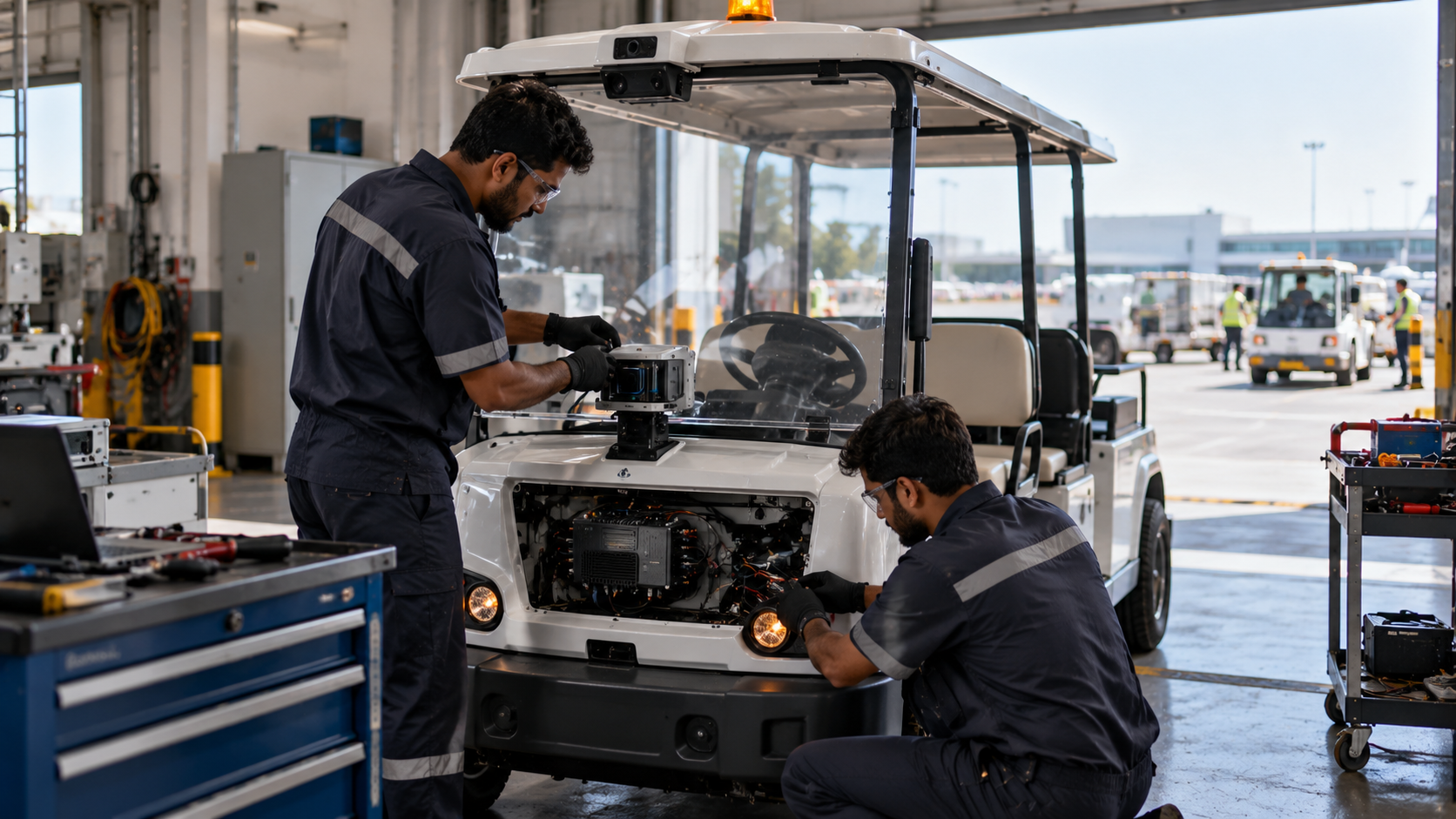
RoshAi implemented a non-intrusive, scalable Automated Emergency Braking (AEB)retrofit system tailored specifically for existing airport ground vehicle fleets:
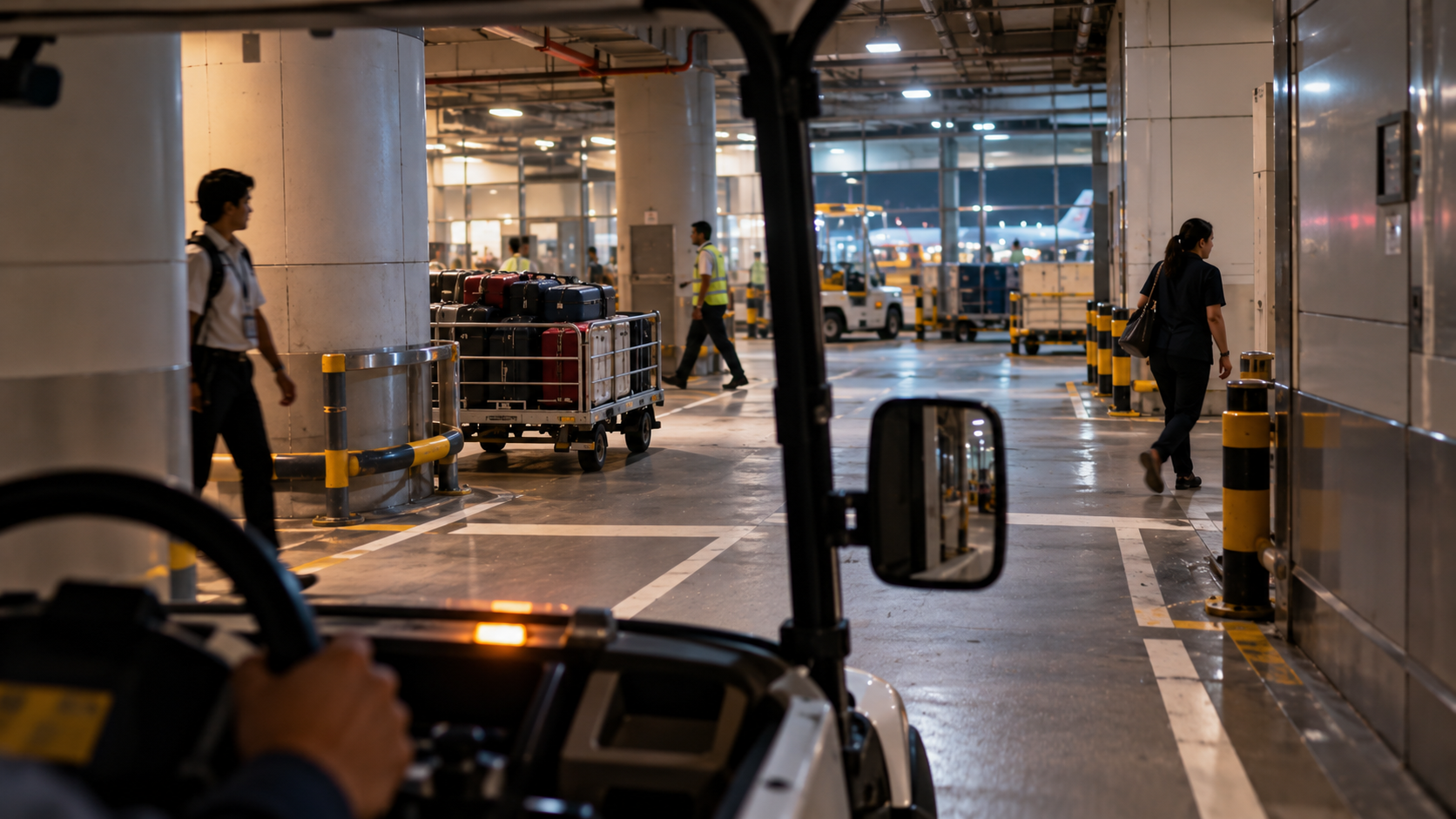
- Active Environmental Monitoring: Integrated an independent perception safetylayer that continuously scans surrounding pathways for pedestrians, luggage,and unexpected obstacles in real time.
- Automated Collision Avoidance: Engineered fail-safe braking controls thatintervene within milliseconds to execute controlled, emergency stopsindependently of driver reaction time.
- Operational Customization: Calibrated specific detection zones and speed-braking profiles tailored to passenger load, terminal layout, and routecharacteristics to prioritize both safety and passenger comfort.
- Rapid Deployment Strategy: Applied a Quick Turnaround Time (QTT) deploymentframework that allowed assessment, configuration, and retrofitting of existingvehicles in weeks without disrupting daily terminal operations.
Business Value
Safety Gains Without Replacing the Fleet
- Drastic Incident Reduction: Proactively prevents collisions caused by driver oversight, eliminating preventable ground accidents and protecting vulnerable travelers
- Capital Cost Savings: Avoided expensive, full-fleet replacements by retrofitting active safety technology directly onto existing vehicles.
- Minimized Operational Disruptions: Reduced vehicle maintenance downtime and terminal congestion, lowering liability exposure and insurance premiums.
- Enhanced Passenger Confidence: Elevated public perception and safety compliance standards by deploying visible, modern autonomous safety interventions.
Outcome
Modern Safety Without Replacing the Existing Fleet
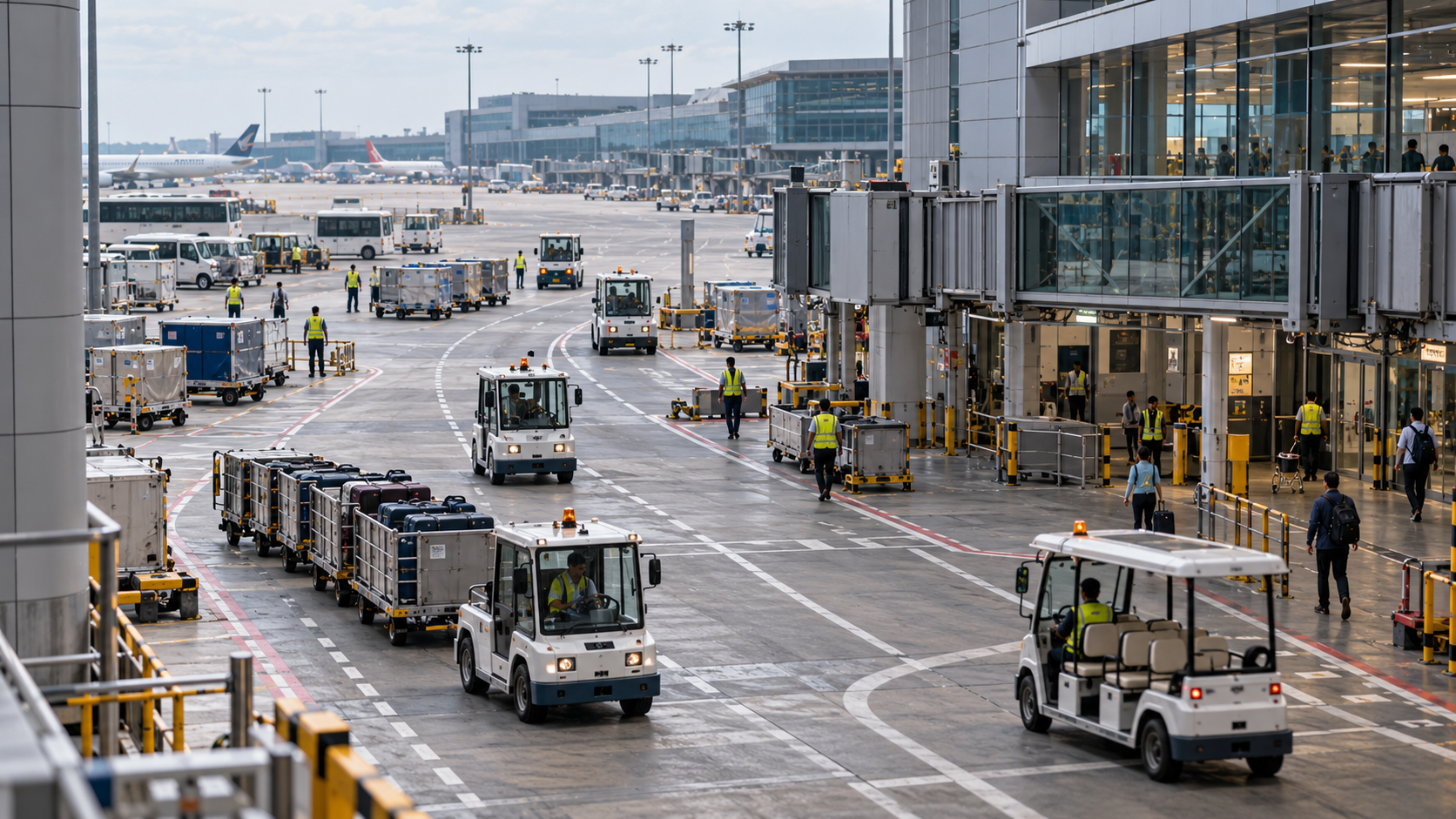
Avoided expensive, full-fleet replacements by retrofitting active safety technology directly onto existing vehicles.
Applied a Quick Turnaround Time (QTT) deployment framework that allowed assessment, configuration, and retrofitting of existing vehicles in weeks without disrupting daily terminal operations.
Elevated public perception and safety compliance standards by deploying visible, modern autonomous safety interventions.